|
Winter is Coming: How to Protect Your Furry Friends The long, warm days of summer have come to an end, leaving us with smoke-free air and an unobstructed view of the towering mountains that line the horizon in every direction. Several times in the last couple of weeks we have awoken to the sight of a soft white blanketing on the highest peaks and ridges. Soon, however, that subtle blanketing will creep down into the valleys, likely to stay until the spring. Bozeman and the surrounding areas receive around eighty inches of snow each year and often experience weeks at a time where temperatures barely reach freezing. As you well know, isolated days can be much, much colder than even that, plunging well into the negatives. Since most of the forecasts this year seem to be calling for a colder and wetter winter than last year, it would be smart to start physically and mentally preparing our families, including our beloved pets. The climate of Bozeman in the wintertime, while allowing for unique hobbies and sports, can be very dangerous for dogs and cats.
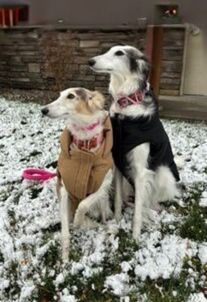
How Cold is Too Cold? ***These recommendations are not intended for dogs or cats with pre-existing health conditions*** Dogs and cats should not be housed solely outdoors without a heat source for any reason in the wintertime in Montana. Generally speaking, if temperatures are above freezing, most breeds of dogs will tolerate extended periods of time outside if they are dry and active. Activity increases cellular metabolism and creates heat. Some small and/or thinly-coated dogs may not tolerate temperatures as they approach freezing. If your pet begins to show signs of hypothermia, please bring them inside. Temperatures between 20 degrees and 32 degrees begin to increase the risk of hypothermia for most breeds of dogs and therefore exercise should be strictly controlled. Large, thick-coated dogs, such as Siberian Huskies and Burnese Mountain Dogs, will be better protected from the cold and will tolerate these temperatures for extended periods of time, but most breeds should be limited to thirty minutes to an hour of exercise at a time. These temperatures can become dangerous quickly if pets are left outside to sit in the cold by themselves or are subjected to multiple hours of exposure. Once the temperature drops below 20 degrees, extreme caution should be taken to prevent hypothermia and frostbite. Athletic, large-breed dogs with thick coats can usually handle limited exercise at these temperatures, but only under constant supervision. It is also highly recommended dogs wear coats and/or snow boots at these temperatures. Small dogs or dogs with thin coats should only go outside to urinate and defecate. On days when the temperature is below 0, enjoy a nice movie next to a fireplace with your dogs and cats as the snow gently falls outside. It takes as little as 5 minutes for hypothermia to start setting in when temperatures reach their extremes in Montana. Do not allow your dog or cat to get wet and then spend time outside in temperatures below freezing! Hypothermia occurs almost instantly when an animal is wet! Be Prepared! Here are some helpful tips for preparing to enjoy the winter with your pets!
Enjoy the Winter!  |
Winter Protection for Your Furry Friend by Dr. John Ellington